
Credo foot care routine
in 6 steps
Great feet start with the right routine
Beautiful, healthy feet don't happen by chance—they're the result of a solid routine. The right foot care regimen helps you ward off cracked skin, pressure spots, and ingrown nails before they start. Whether it's summer or winter, consistent care keeps your feet comfortable, hygienic, and looking their best. But how do you actually prevent foot pain, cracks, and infections?
Discover your foot care routine today and elevate your foot health to the next level!
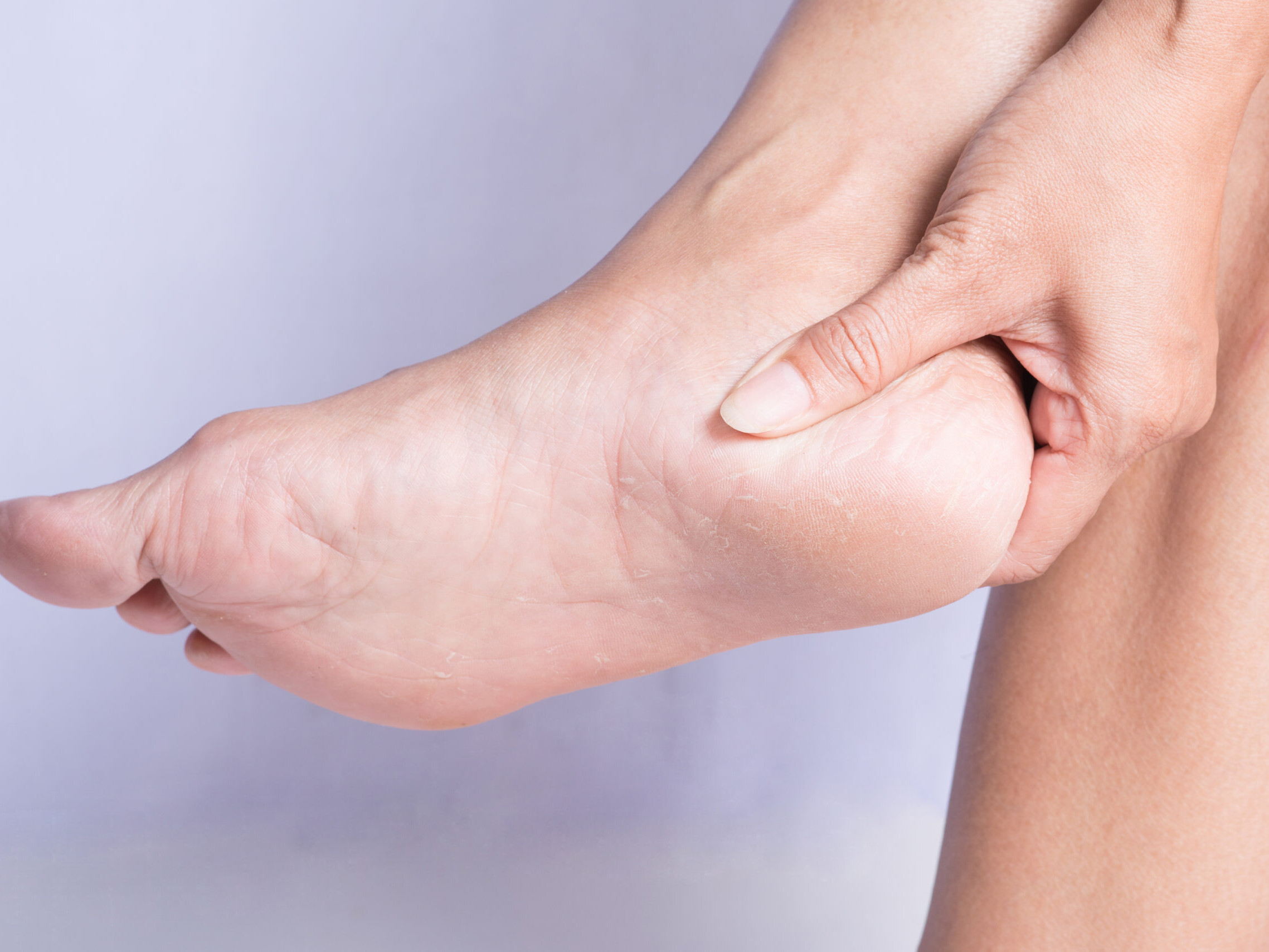
The answer...
The CREDO foot care routine—customized for your skin and nail type, and designed around your unique needs.
...in the right order
Foot care only works when you follow the right sequence. Too often, people approach foot care haphazardly. Our Credo foot care routine changes that—because following the proper steps prevents injury and ensures better results.
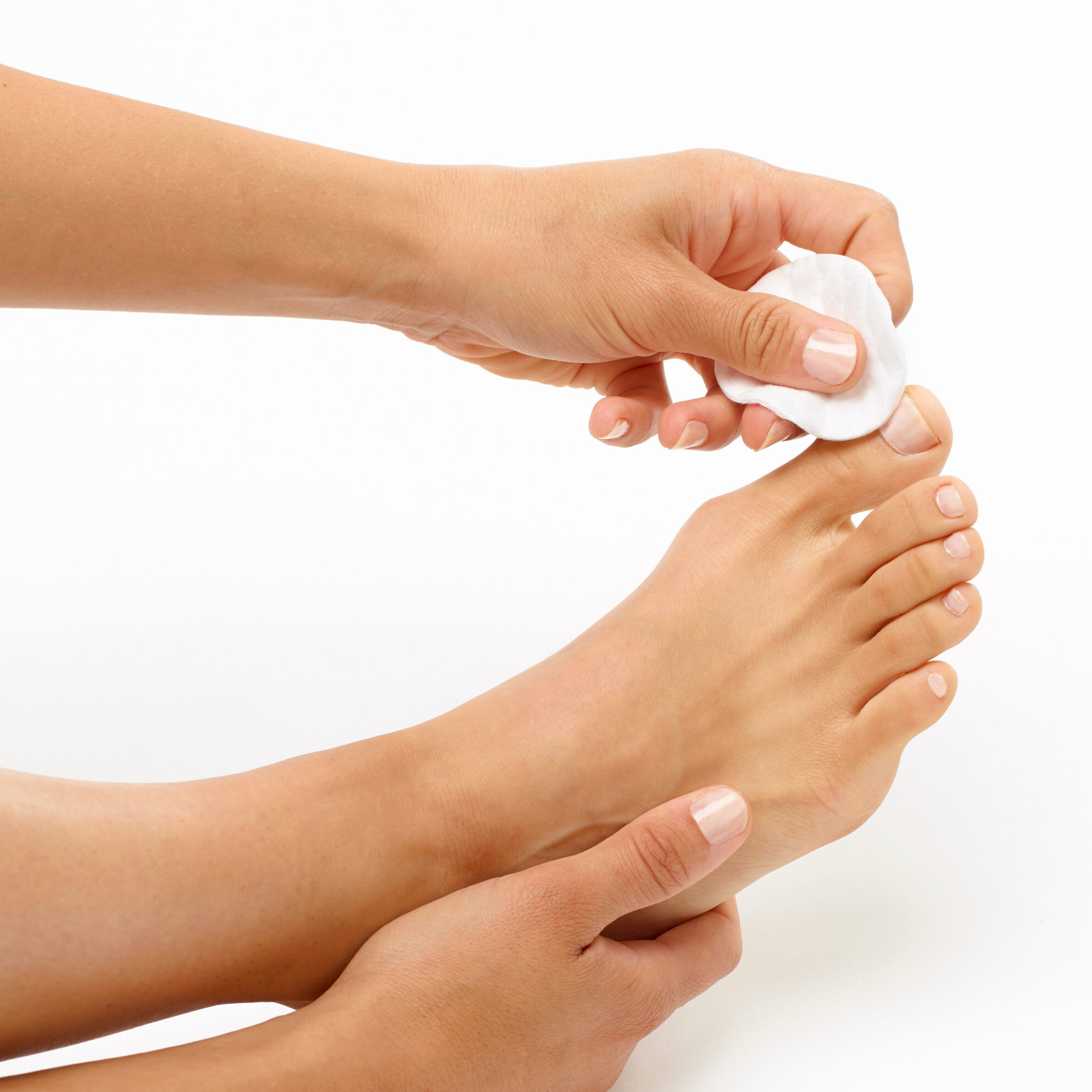
Before you begin your actual foot care routine, old nail polish should always be completely removed. Only on clean nails can you reliably assess their condition, growth, and any changes. Thoroughly removing nail polish is therefore an essential part of your CREDO foot care routine. A clean nail creates the optimal foundation for trimming, shaping, and caring for your nails, whether you wear them naturally afterward or apply fresh polish.
Why air circulation is so important for your nails
After removing nail polish, your nails need time to "breathe" freely. Nail polish and remover temporarily seal the nail surface and interfere with the natural exchange of air and moisture. A brief period without coverage supports your nail's moisture balance, stabilizes nail structure, and prepares it optimally for the next care steps or a fresh coat of polish.
Tip: Let your nails breathe for a few minutes after removing the polish before continuing with the rest of your foot care routine.
Health aspect – protection against infections and fungal nails
If nail polish is not removed properly or only partially, health problems can develop. Residue permanently seals the nail and creates a warm, moist environment – ideal conditions for bacteria, infections, or nail fungus.
A completely clean nail not only allows for better care but also helps you detect any changes early on. That's why thoroughly removing old nail polish is an important step for healthy toenails and a well-groomed appearance.
Tip: Care products can only work optimally and new polish application is only safe on a clean, uncompromised nail.
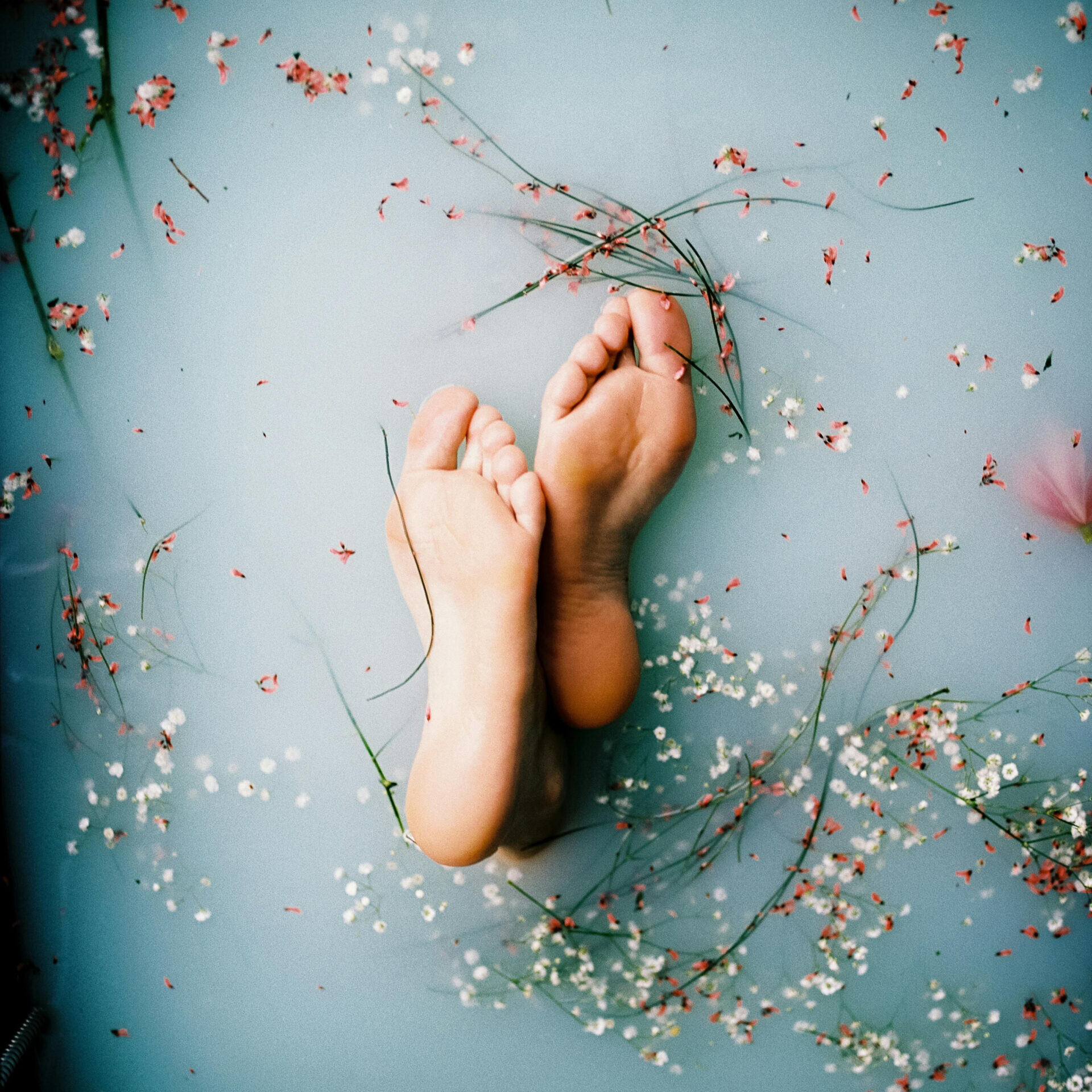
Start with a soothing foot bath. This prepares your skin optimally for treatment while giving you some genuine me-time.
- It softens your skin and gets it ready for gentle callus removal.
- Warmth helps you relax and improves circulation.
Tip: Use soothing additives that calm your skin and soften dry patches. Keep your soak to about 10–20 minutes with water around 37–39 °C (98–102 °F).
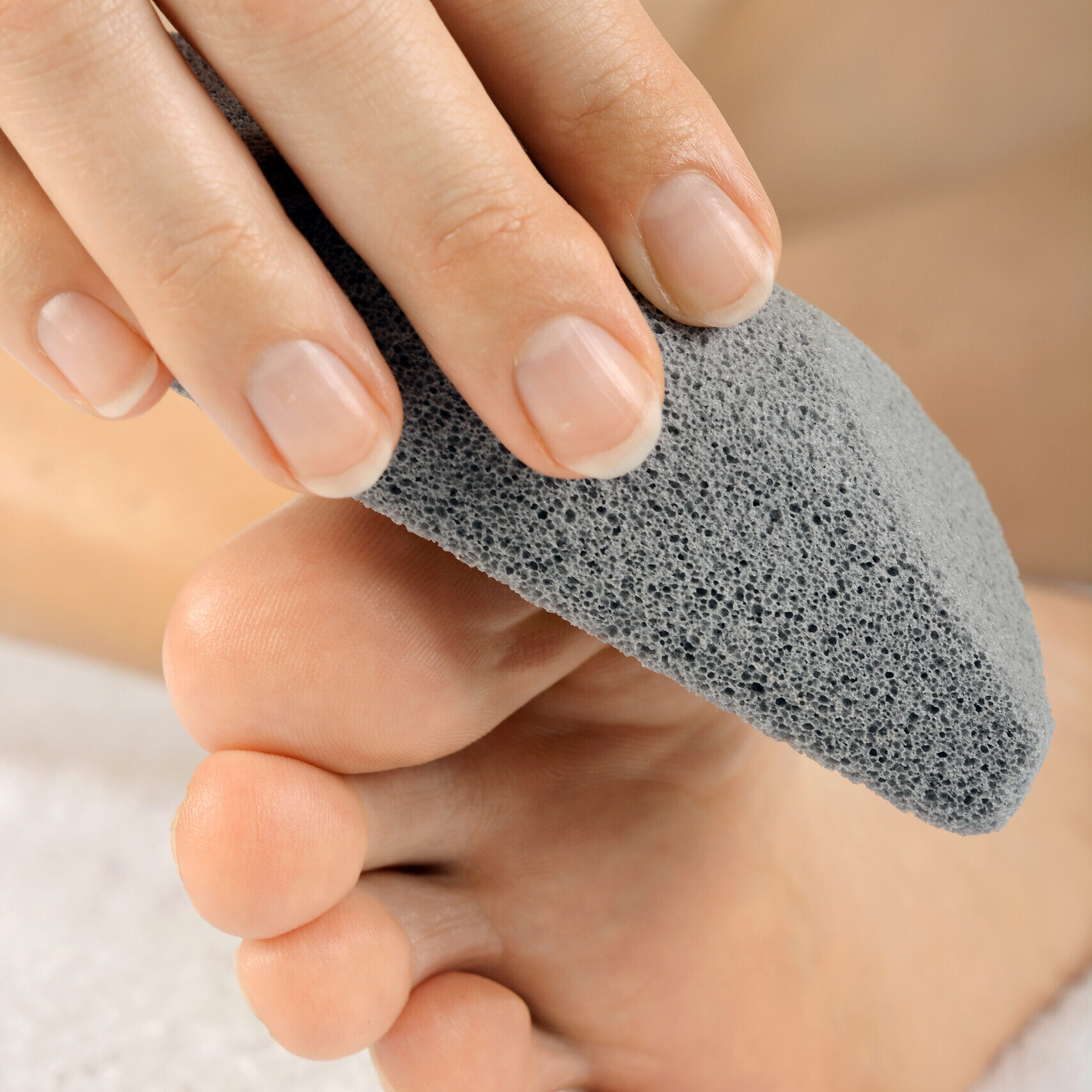
Your feet are now prepped and ready for callus removal. But before you dive in, let's cover the most common callus types and how to handle each one effectively.
- Pressure calluses: Form on the balls of your feet and heels from tight or stiff shoes.
- Dry calluses: Crack easily—especially in fall and winter when heated air dries out your skin.
- Thickened calluses: Build up gradually over time and can become quite painful.
IMPORTANT: Calluses serve a purpose—they protect your feet from pressure and friction. But too much buildup can become uncomfortable and lead to problems like cracks and painful pressure spots. Left unchecked, cracks can even allow infections to set in.
That's why regular, gentle care is key: it maintains your skin's protective barrier while preventing complications. How much callused skin you develop depends on several factors—your activity level, the shoes you wear, genetics, and diet. Health conditions like diabetes can also dry out skin and accelerate callus formation.
- DuoSoft
- Ceramic rasp
- Pedicure stone
- Flat rasp
- Safety callus shaver (the term "Safety" refers only to blade replacement, not the application itself)
- Callus shaver
Caution: Use only on thick, stubborn calluses. These instruments are highly effective and remove significant amounts of skin.
- Use light pressure for mild to moderate calluses
- Apply firm pressure where calluses are thick or heavily built up
- Use circular or lengthwise strokes
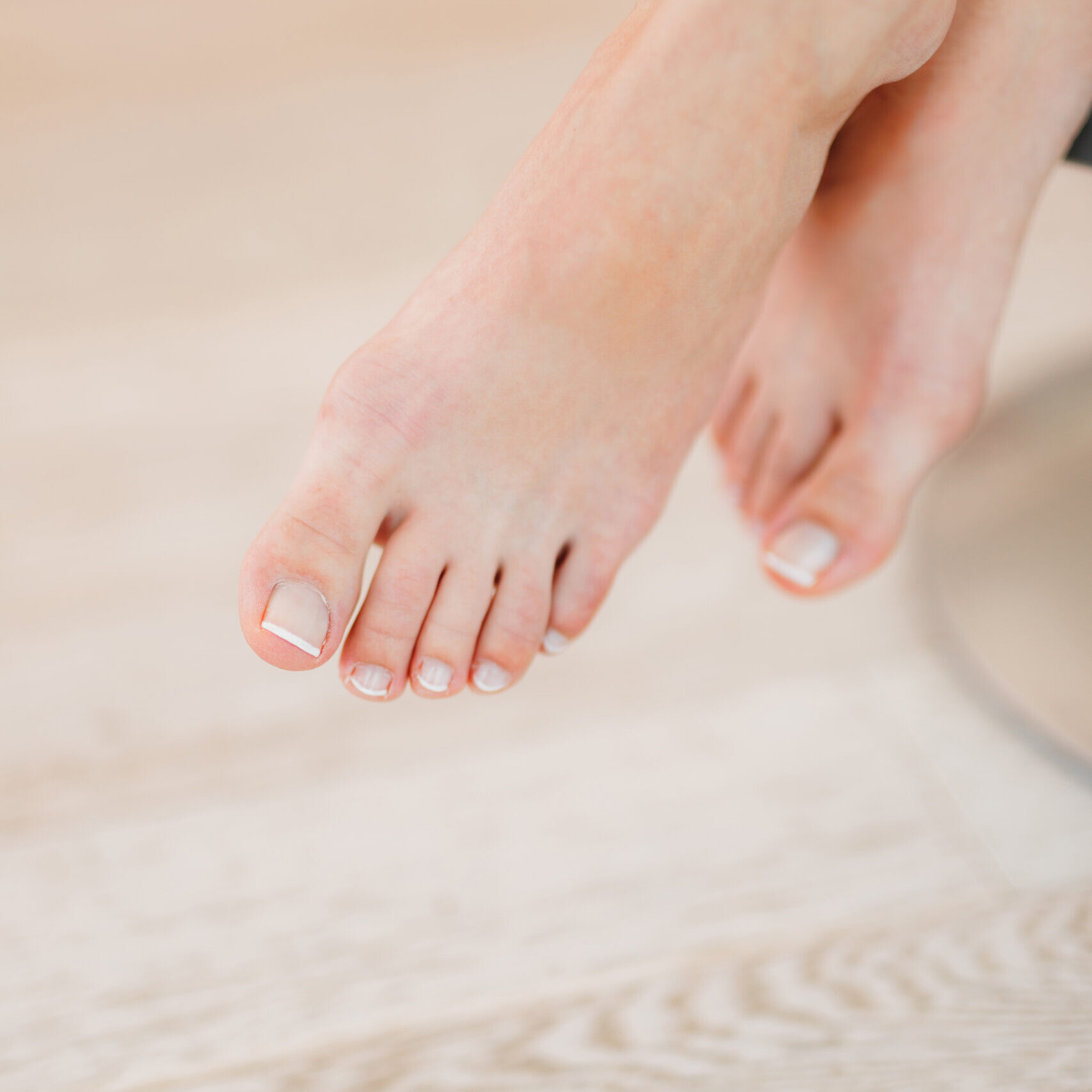
Why do you constantly get holes in your socks, and why does your shoe pinch at the big toe? To prevent this from happening in the first place, an essential part of your foot care routine is trimming and shaping your toenails.
You have several options for trimming toenails: filing, cutting, or clipping. But the right method depends on your nail type.
- Soft & brittle nails – these are prone to splitting and tearing, so file only! Cutting or clipping causes micro-tears that lead to brittleness.
- Thick, strong nails – these can handle more aggressive trimming. Cutting, clipping, or filing all work fine. Just make sure your tools have strong enough handles or levers to cut cleanly without crushing the nail.
Then always finish by filing into shape. Tip: To prevent ingrown toenails, always file them straight across – never rounded!
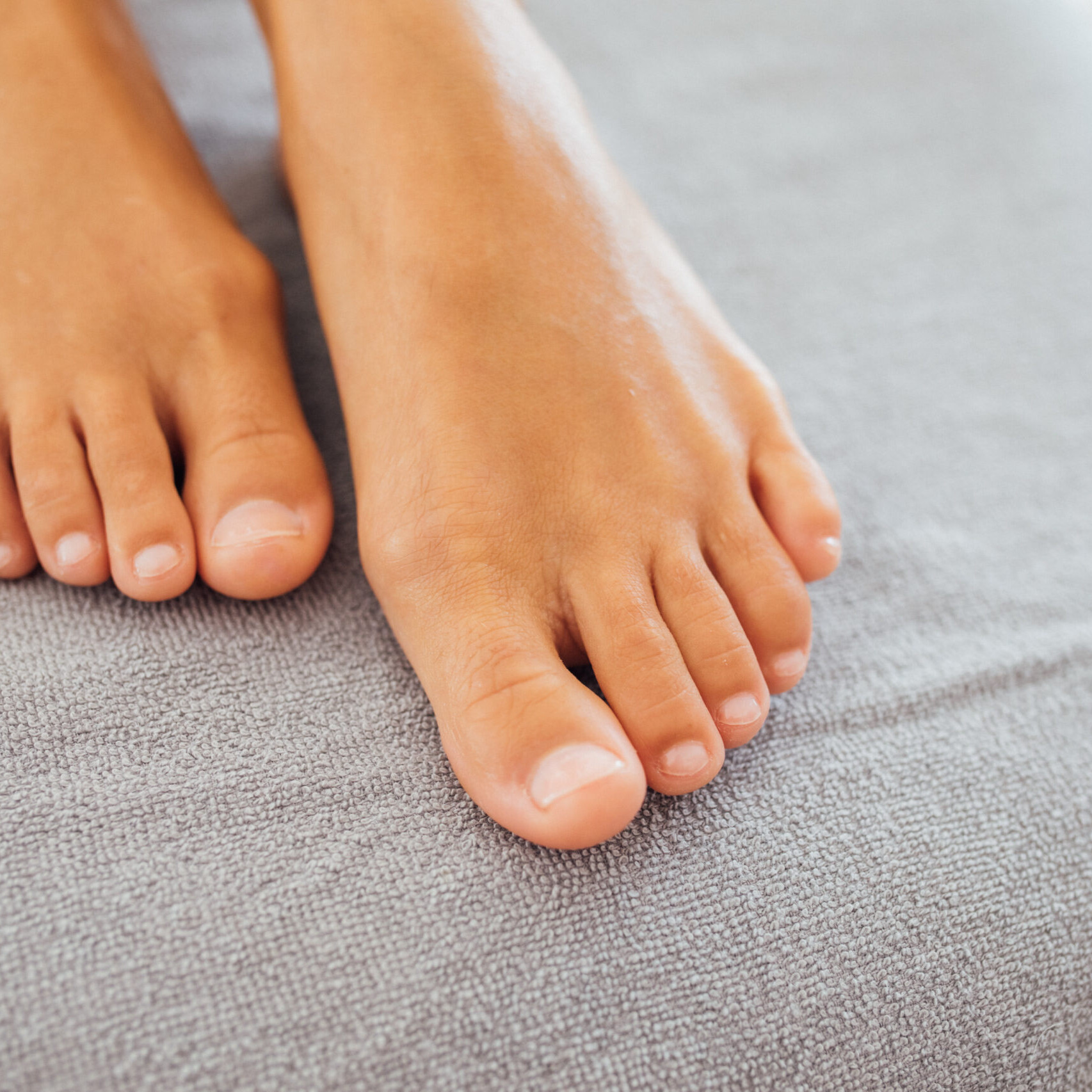
After your foot bath, your cuticles will be soft – the ideal time to gently push them back. A cuticle pusher or ceramic cuticle remover works perfectly. For excess skin, you can carefully trim it with cuticle scissors or nippers.
Important: Don't overdo it. Your cuticles protect your delicate nail bed from bacteria.
- Creates a polished, clean appearance and helps nail polish adhere better
- Prevents cracks and infections caused by dry, brittle cuticles
Dry your feet completely before applying polish or moving on to the next step of deep care.
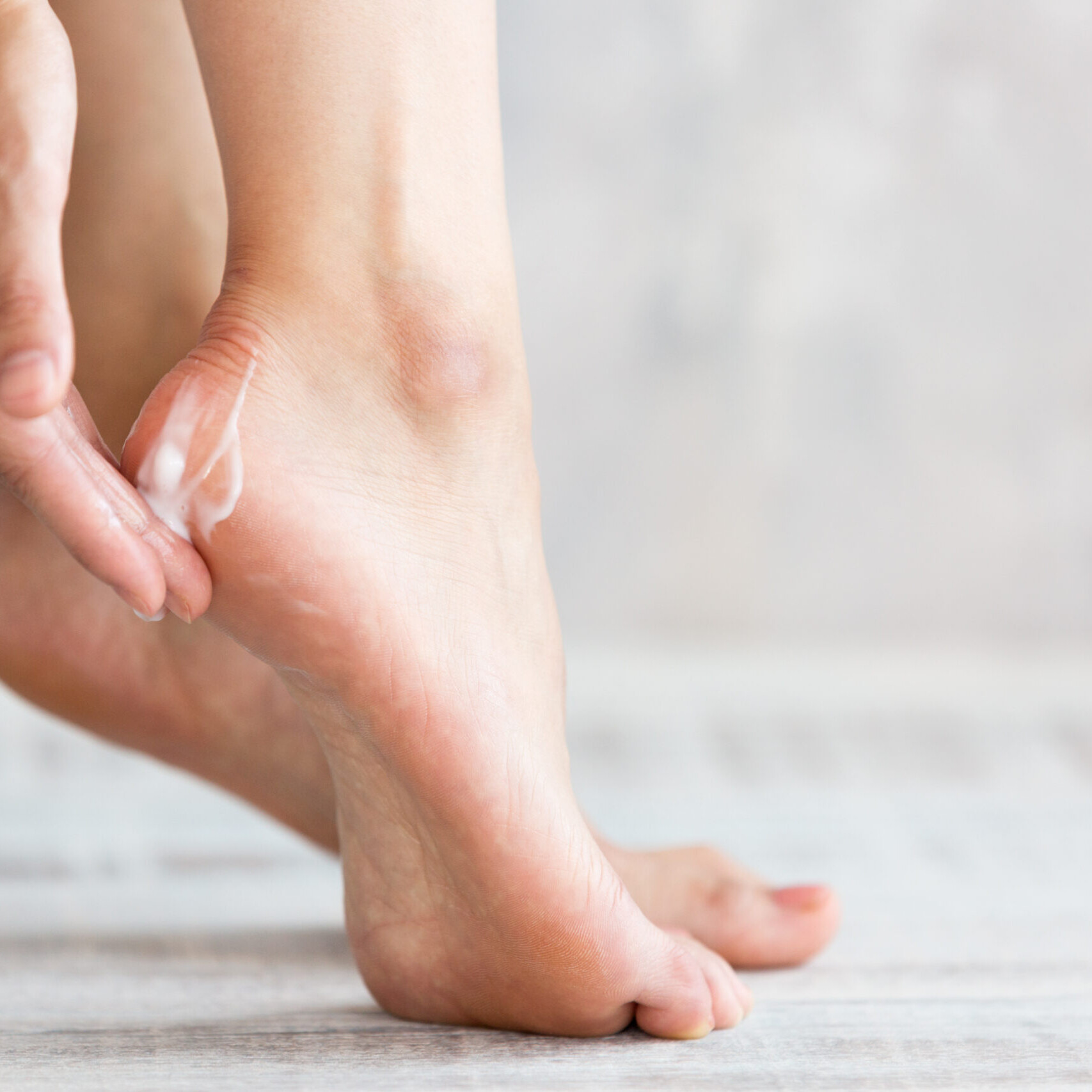
You've soaked your feet, treated calluses, trimmed toenails, and cared for cuticles – now it's time to lock in moisture. Work a rich cream into your skin thoroughly. This nourishes deeply, boosts circulation, and keeps your skin soft and supple.
Tips: Wear breathable shoes and cotton socks to prevent excess perspiration. For very dry or calloused skin, choose a cream with high urea content for extra hydration. Top off your routine with cuticle oil applied around the toenails to keep them healthy and looking their best.
Calluses, cuticles, and nail growth vary greatly from person to person – and so does the ideal care routine. Some feet need just a quick weekly touch-up, while others benefit from a more intensive schedule.
For daily or weekly care, gentle methods are often sufficient – instruments that remove large amounts of calluses at once are not necessary here. If you care for your feet thoroughly every 3–5 weeks, you're already following a regular routine. With higher stress, such as from sports or prolonged standing, increased care efforts may be worthwhile.
The key is choosing products and tools that match your specific skin and nail needs. This ensures you get both beautiful-looking and truly healthy feet.
Did you know?
Effective foot care is about more than just the tools—it's built on quality replacement parts. High-quality replacements keep your routine safe, hygienic, and precise, year after year.
Why replace the whole tool when you can swap out just what you need? It's smarter for your wallet, the planet, and your schedule.