
Credo Hand Care Routine
in 6 steps
Well-groomed hands. Every day.
Our hands work around the clock—at work, in daily life, in direct contact with others. They're our calling card, our tool, and an expression of personality all at once. That's why a structured hand care routine is so important, one that strengthens nails, protects skin, and delivers a healthy, well-groomed appearance in the long term. With the CREDO hand care routine, you'll get clear step-by-step instructions for professional results at home. Thoughtfully designed, easy to follow, and perfectly coordinated with high-quality CREDO instruments and care products. Whether you have firm, delicate, or brittle nails, the CREDO hand care routine adapts to your needs and creates the ideal foundation for natural beauty or a flawless polish finish.
Routine, not chance
Dry skin, cracked cuticles, brittle nails, and dull surfaces rarely develop overnight—usually, they're the result of a lack of clear, coordinated care. Individual treatments help in the short term but don't solve the bigger picture.
The CREDO hand care routine tackles this precisely:
A thoughtfully designed routine combining precise instruments with targeted care. Each step builds on the last, from preparation through shaping to intensive regeneration.
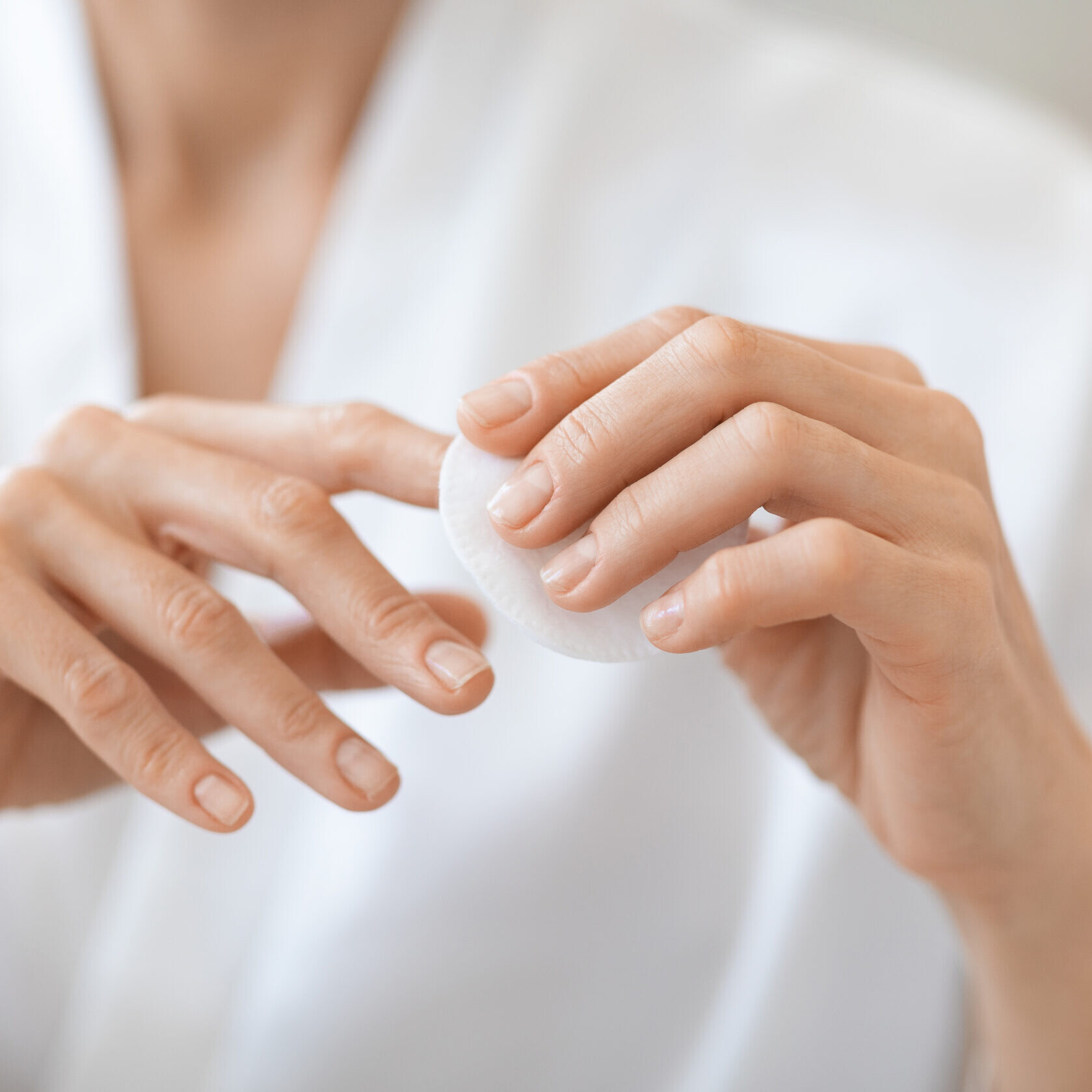
Before you begin your actual hand care routine, any old nail polish should always be completely removed. Only on a clean nail can you reliably assess its condition, growth, and any potential changes. Thorough nail polish removal is therefore an essential part of your CREDO hand care routine. A clean nail provides the optimal foundation for trimming, shaping, and caring for your fingernails—whether you subsequently wear them natural or apply fresh polish.
Why air circulation is so important for your nails
After removing nail polish, your fingernails need time to "breathe" freely. Nail polish and remover seal the nail surface temporarily and interfere with the natural exchange of air and moisture. A brief period without coverage supports your nails' moisture balance, stabilizes nail structure, and prepares them optimally for the next care steps or a fresh coat of polish.
Tip: Allow your fingernails to breathe for a few minutes after removing polish before continuing with the rest of your hand care routine.
Health aspect – protection against infections and fungal nails
If nail polish is not removed properly or only partially, health problems can develop. Residue permanently seals the nail and creates a warm, moist environment – ideal conditions for bacteria, infections, or nail fungus.
A thoroughly cleansed nail not only allows for better care but also helps you detect changes early on. That's why thorough removal of old nail polish is an important step for healthy fingernails and a well-groomed appearance.
Tip: Care products can only work optimally and new polish application is only safe on a clean, uncompromised nail.
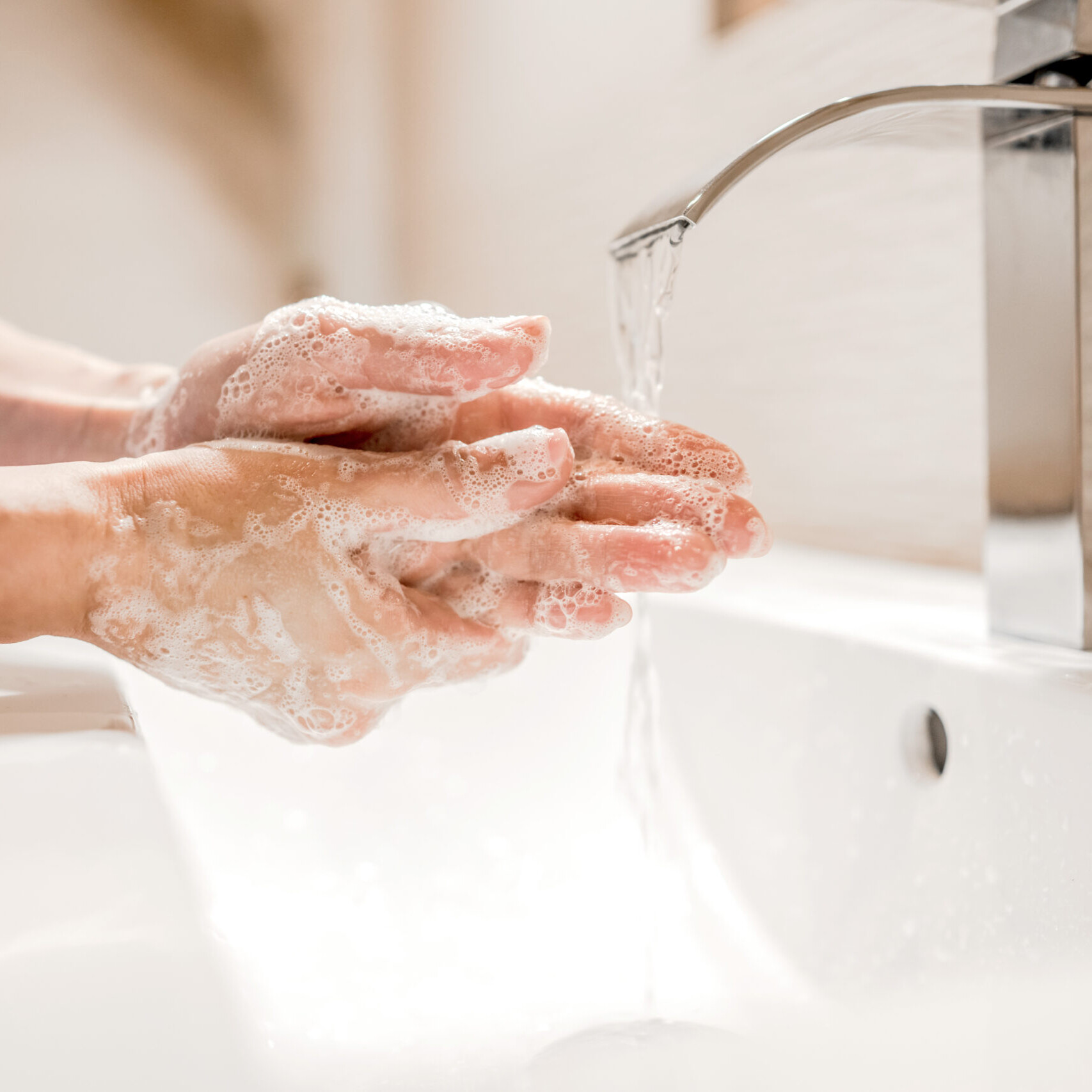
Before your actual manicure begins, thorough cleansing is the priority. Hygiene isn't a minor detail here—it's the foundation for safe, professional results, especially when dealing with sensitive or slightly cracked cuticles.
- Carefully clean underneath nails – debris under the nail is gently removed. This ensures a clean nail bed and prevents dirt from getting into small skin fissures.
- Wash hands for 20–30 seconds with pH-neutral soap – Under lukewarm water, bacteria, germs, and excess oils are reliably removed.
- Dry thoroughly with a clean towel – Residual moisture in nail folds can encourage bacterial growth. Dry your hands and all crevices carefully but gently.
Consistent pre-care minimizes the risk of infection and creates optimal conditions for the subsequent steps of your CREDO hand care routine.
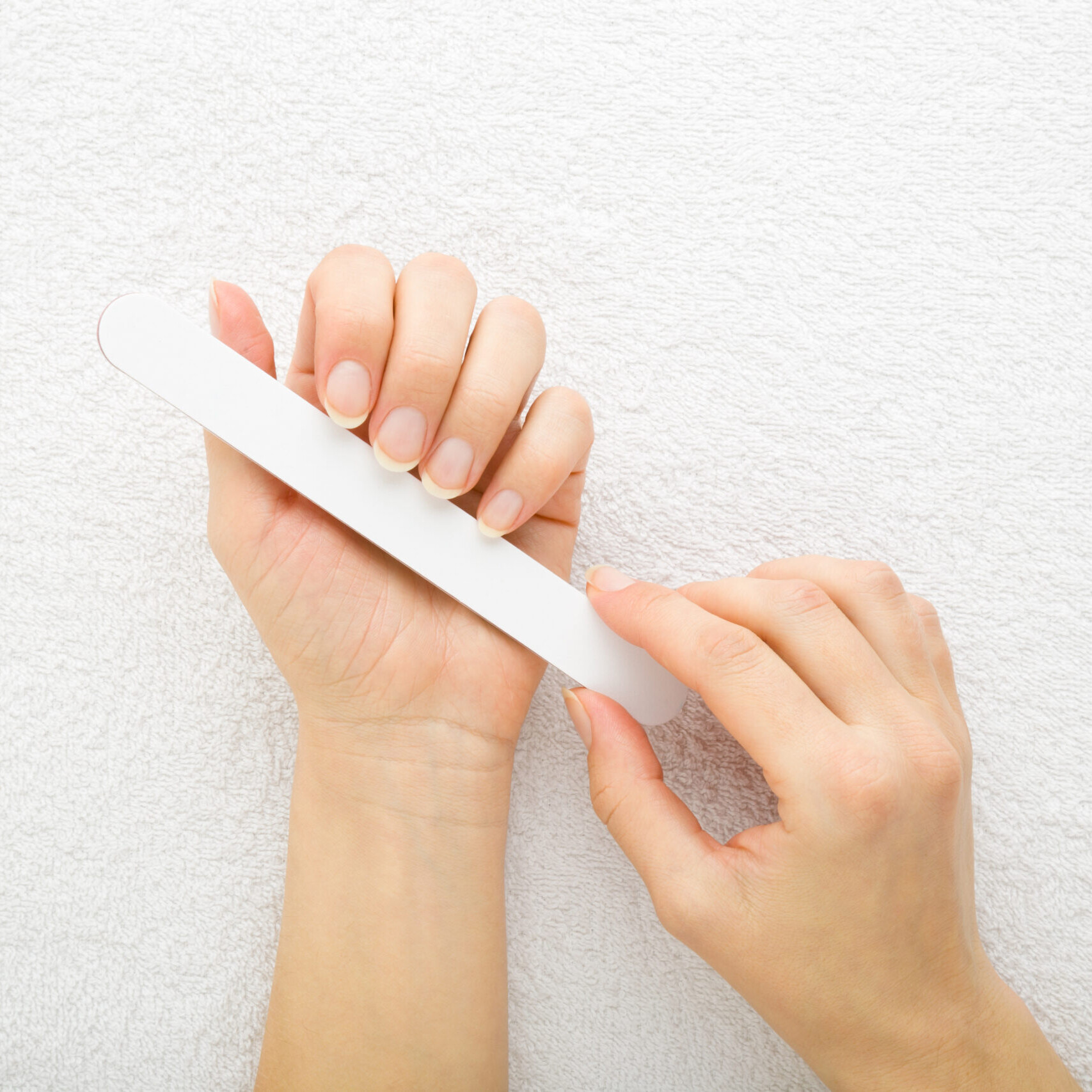
Trimming and shaping your nails is an essential part of your hand care routine. There are several ways to trim your fingernails: filing, cutting, or clipping. However, not every nail type responds well to the same technique.
So here's the key question: Cut, file, or clip? The answer is simple: it depends on your nail structure.
- Soft & brittle nails – These are delicate and prone to splitting or peeling. In this case, file only! Cutting or clipping can cause micro-tears, which lead to brittle nails.
- Strong nails – These are more resilient, so you can trim them more aggressively. Cutting, clipping, or filing: all methods work.
Typically, trimming once or twice a month is enough to maintain your desired length. If you perform your manicure more frequently, such as weekly, you can skip cutting altogether and control the length exclusively with a file.
Important to know:
Cutting doesn't replace filing. Cutting is simply for rough trimming—never cut nails to their absolute shortest. Over-trimming increases the risk of injury and can weaken the nail structure. The actual shaping always comes from filing. This is where precision work happens, where the contour is defined, and your desired nail shape is carefully refined.
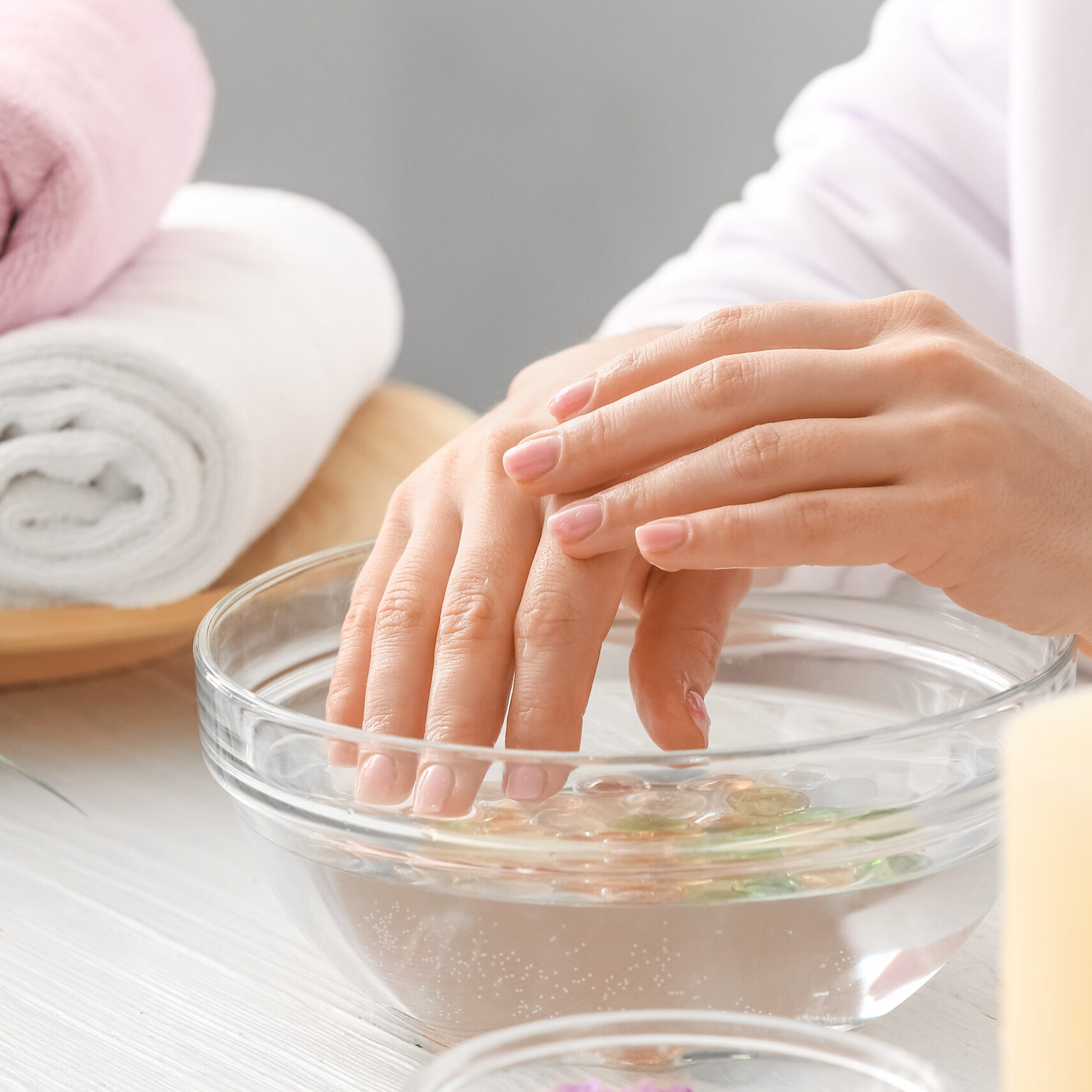
Proper cuticle care is essential for a professional manicure and well-groomed hands. The cuticle protects the nail bed from bacteria and external damage, so it should be carefully maintained rather than simply removed. A warm hand soak or nail bath boosts circulation, softens the cuticles, and makes the subsequent care easier.
- Fill a bowl with warm (not hot) water.
- Optionally add a few drops of mild cuticle oil or gentle liquid soap.
- Soak hands for 5–10 minutes.
- Pat dry thoroughly afterward – especially around the nail folds.
After the nail bath, gently push back the softened cuticle with an appropriate tool. Work with light pressure and proceed carefully. The goal is to gently loosen the cuticle, not remove it completely. Cutting the cuticle is only recommended when there are visible overgrown or torn skin areas. These can be removed precisely and hygienically.
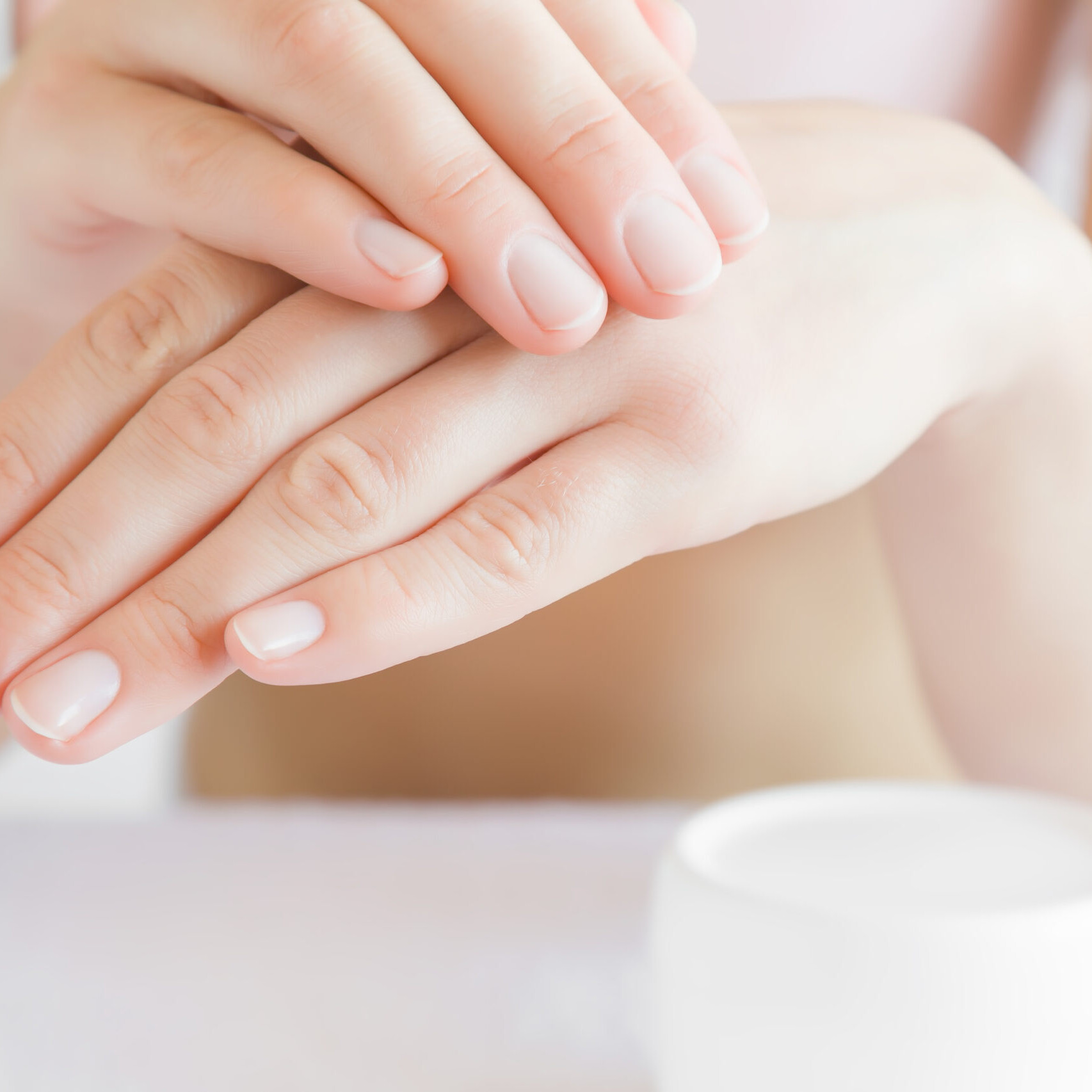
After shaping and cuticle care comes the finishing touch: nail surface conditioning. This step creates an even, well-groomed appearance and optimizes preparation for nail polish or additional care products. Using a polisher or buffer, the nail surface is gently smoothed. Fine ridges and irregularities are reduced without unnecessarily thinning the nail plate. The key is to work in a controlled, even manner with light pressure.
- visibly smoother nails
- natural, healthy shine
- better nail polish adhesion
- enhanced absorption of care products
For a natural finish, polishing alone can be sufficient. If you want to apply polish, this step creates the ideal foundation for an even, professional result.
Important: The nail surface should not be polished intensively too frequently in order to maintain nail structure stability long-term. Quality and the right tool are key to achieving a gentle yet effective result.
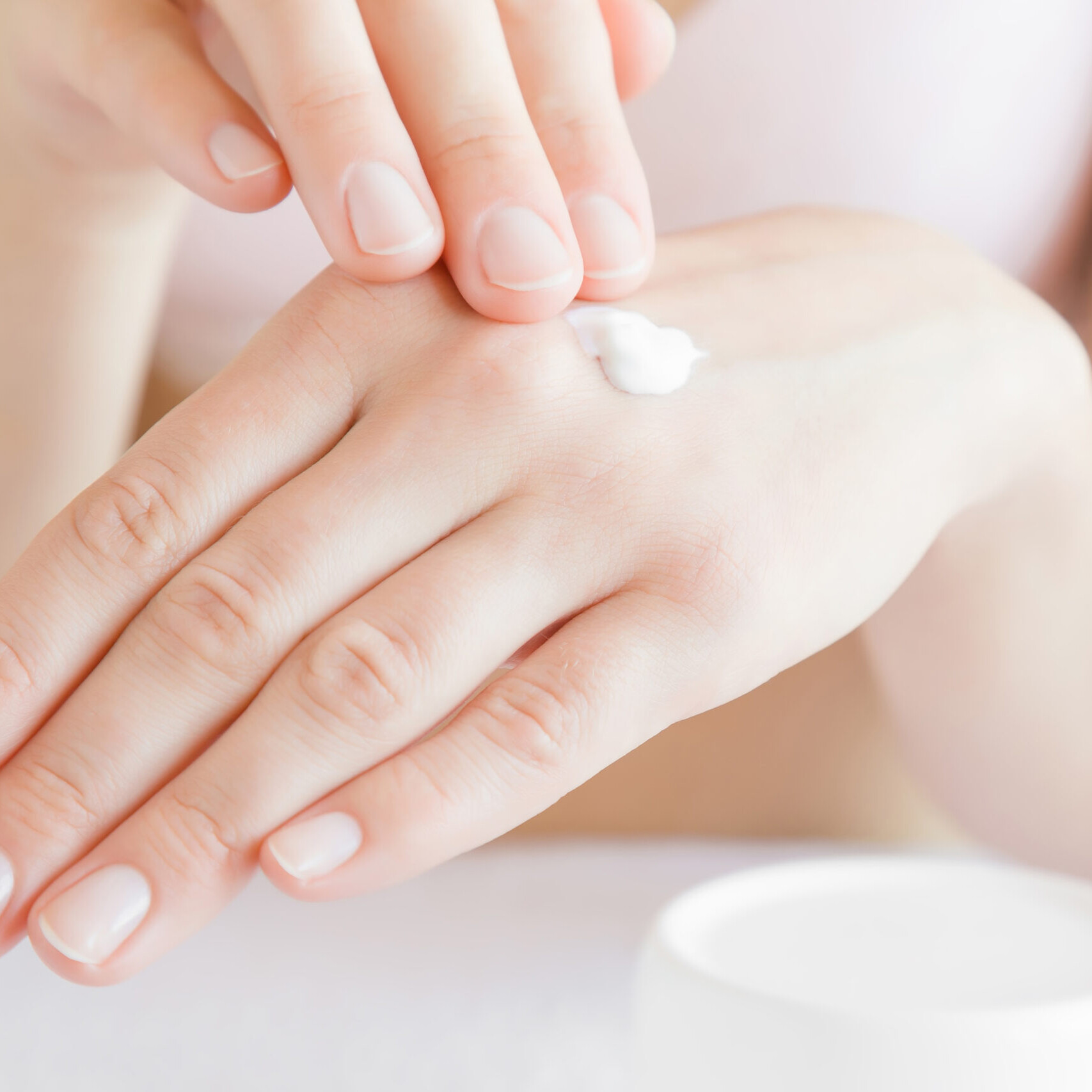
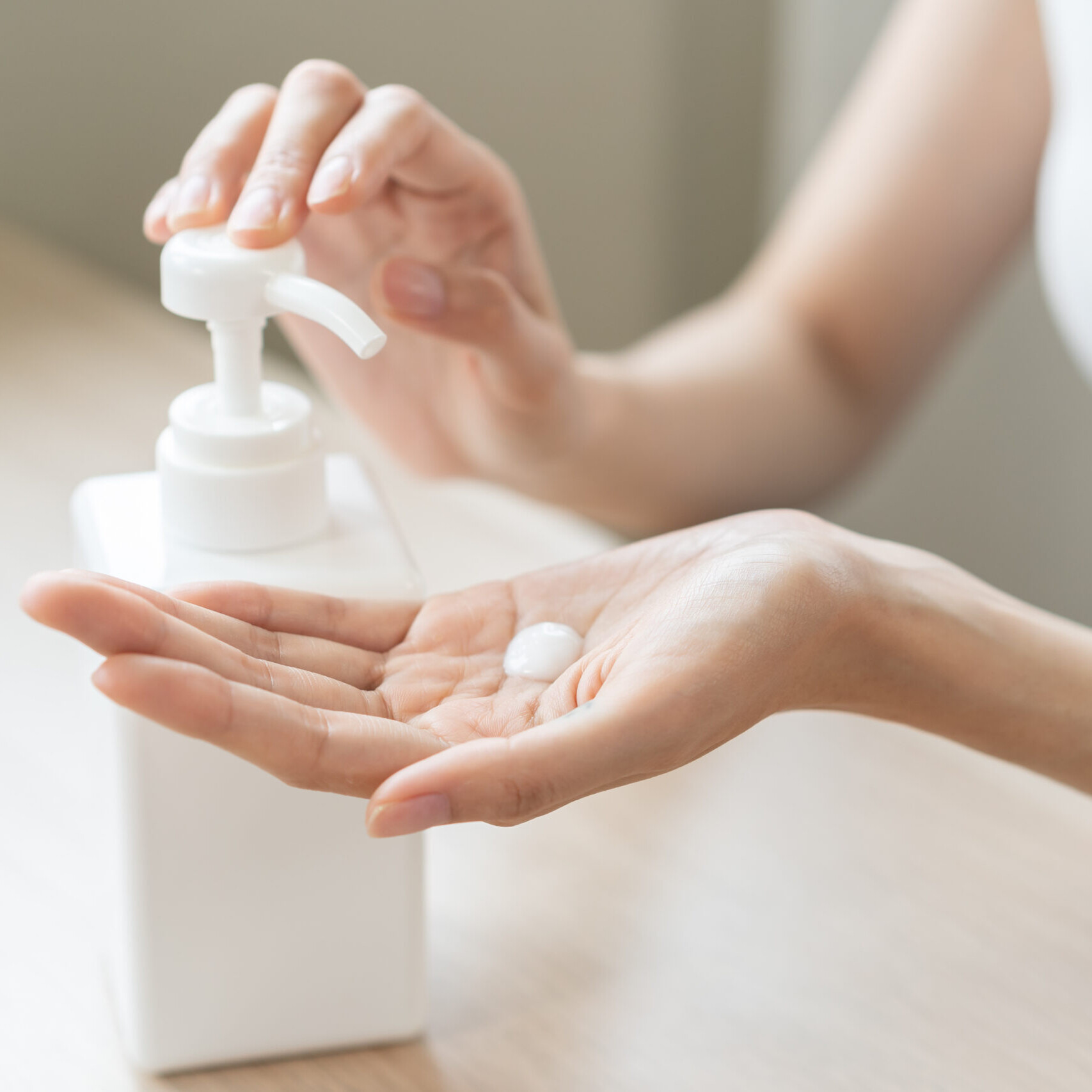
The final step of the CREDO hand care routine focuses on sustainable regeneration and protection. Consistent intensive hand care strengthens nail structure, improves skin elasticity, and supports a healthy appearance over the long term.
Regularly massage a nourishing nail oil into the nail plate and cuticle to care for brittle nails. High-quality oils supply the nail matrix with essential nutrients, reduce dryness, and promote strong, resilient nail growth. Daily application is especially recommended for soft or splitting nails.
Follow up by applying a rich hand cream for dry hands and work it in thoroughly, including between the fingers and into the nail folds. A good hand cream supports your skin's natural barrier, protects against moisture loss, and prevents rough, cracked skin. Applying after hand washing and as a nighttime treatment intensifies the moisturizing effect.
- stronger, less brittle nails
- supple, resilient skin
- protection against cracks and tension
- a consistently well-groomed appearance
Conclusion: A targeted combination of nail oil and hand cream forms the foundation for healthy nails and intensive skin care—essential for beautiful hands that last.
The right care frequency for hands and nails is crucial for maintaining healthy, resilient nails and supple skin in the long term. Consistency matters more than intensity.
Daily Hand Care
Applying hand cream daily protects skin from moisture loss and strengthens the natural skin barrier. Your hands especially need targeted care after washing or exposure to cleaning products. If you're prone to dry or cracked hands, consider adding a more intensive treatment to your evening routine for regeneration. Nail oil for daily use is also recommended for brittle, soft, or peeling nails. Just a few drops are enough to keep cuticles soft and support healthy nail growth.
Weekly Nail Care
A more comprehensive nail care routine that includes filing and cuticle care is typically needed once a week. The focus here is on stabilizing the nail structure and caring for the nail bed.
Trimming your nails is usually only necessary once or twice a month. By filing your nails regularly, you can control their length without constantly reaching for scissors.
Polishing the nail surface should only be done about once every four weeks. Polishing too frequently can thin the nail plate and make it more sensitive over time. A gentle application with a high-quality buffer is enough to reduce ridges and create a natural shine. In this case, less is definitely more.
Customizing Your Care Schedule
The optimal frequency for nail and hand care depends on several factors: nail structure, skin type, occupational demands, and external influences like cold weather or frequent handwashing. Dry skin needs more frequent care, while stronger nails can manage longer intervals between treatments.
Conclusion
A combination of daily basic care and weekly intensive treatments ensures consistently well-maintained hands, strong nails, and healthy cuticles. Consistency is the key to visibly better results.